Brazil is heading for its biggest green coffee harvest on record. That's the headline, and it's true but it's only half the story. A wet start to the season slowed everything down. Some of that green coffee is arriving later than usual, green coffee prices have stayed stubbornly high despite the size of the crop, and the quality is a mixed bag.
So this isn't a "great harvest, all clear" update. It's an honest one from Attesa, a green coffee importer that stays close to origin, written for the partners and customers making real Brazilian coffee sourcing calls right now. Here's what's actually going on as the 2026/27 green coffee harvest winds down - the volume, the timing, the regions, and the quality - and what it means if you're buying green coffee to roast, specialty or commercial.
Brazil’s Green coffee season at a glance
- Total crop: 75.4 million bags projected for 2026/27 - up 15.5% year-on-year.
- Arabica: 49.4 million bags, a 26% rebound.
- Robusta: 26 million bags, broadly flat (−0.3%).
The latest USDA biannual forecast leaned bearish for coffee prices. On July 22, the USDA projected global coffee output in 2026/27 rising 6.0% (10.8 million bags) to a record 189.7 million bags, driven largely by improved growing conditions in Brazil. Global arabica output is seen up 12% year-on-year, with robusta down 0.7%. World ending stocks are expected to climb 1.9 million bags to 26.3 million. Earlier, on June 3, the USDA's Foreign Agricultural Service (FAS) forecast a record 2026/27 Brazil crop of 71.9 million bags, up 14% year-on-year.
Here's the short version of what those numbers don't show, the way we read it at Attesa Coffee watching this closely:
- Heavy June rain slowed picking, drying, and processing, so the harvest fell behind and new green coffee has been slow to reach the market.
- Green coffee quality varies by region. It's good in most, weaker in a few arabica areas hit by the rain, with some green coffee lots struggling at grading.
- Green coffee prices have stayed firm despite the big harvest, propped up by late arrivals and very low stocks. Premium green coffee has felt it most, getting scarcer and pricier instead of cheaper.
- And El Niño is the open question ahead - mostly for next year's green coffee harvest, but worth watching now.
(Worth remembering: the harvest is still finishing, so most figures here are careful estimates, not final counts. They'll shift as the green coffee comes in and gets graded. Treat this as an honest snapshot in time).
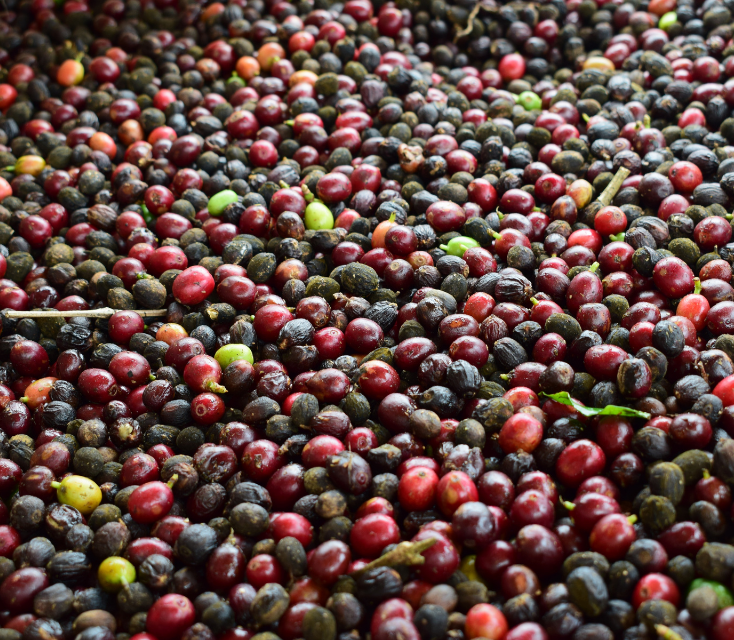
Nobody can pin down the exact number yet. Estimates run from the mid-60-millions to about 75 million bags. The direction, though, isn't in doubt: it's a record for Brazilian green coffee, and a real rebound after several weak seasons. Almost all the growth is arabica, now in a strong year, while Brazil's robusta stays flat. Good news for green coffee supply - the catch is timing, and that's where this year gets interesting.
Where is the green coffee coming from?
Brazil is big enough to be several green coffee countries at once, and a green coffee importer like us at Attesa Coffee has to read each region on its own terms.
Minas Gerais is the heart of it, growing roughly 70% of Brazil's arabica green coffee. Good flowering rains in late 2025 set the trees up well, and strong yields here are a big reason the national green coffee number is a record. But it varies inside the state. South Minas, Cerrado Mineiro, and Mogiana - all key arabica zones - are where June's rain did the most damage, knocking cherries off the trees early and making drying harder.
São Paulo is up too, helped by pruned areas recovering and new plantings coming into bearing. Espírito Santo, Brazil's biggest robusta state and mostly irrigated, is less exposed to the rain swings that hit the arabica belt. And Rondônia is on track for one of its largest green coffee crops ever, on new plantings and better yields.
For buying decisions, the split matters by origin and process. Arabica green coffee buyers in the Cerrado and South Minas should expect more lot-to-lot variation this season and judge each lot on its own.
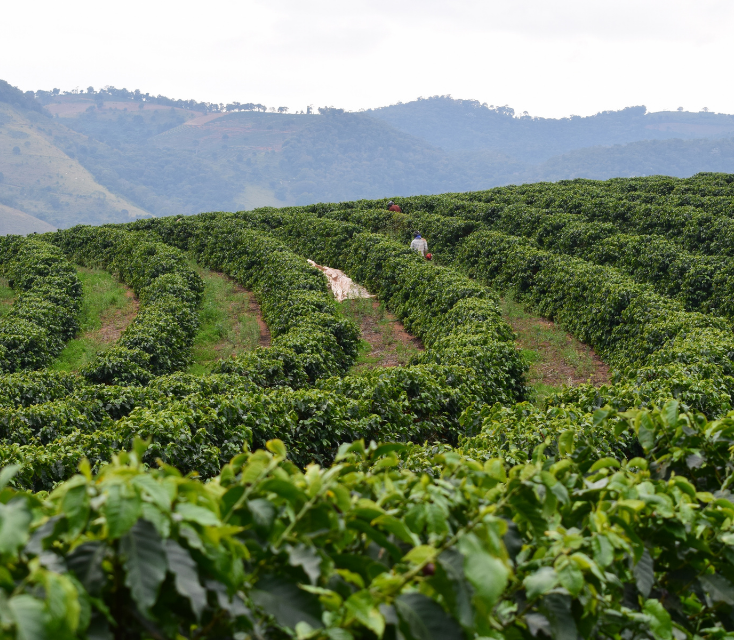
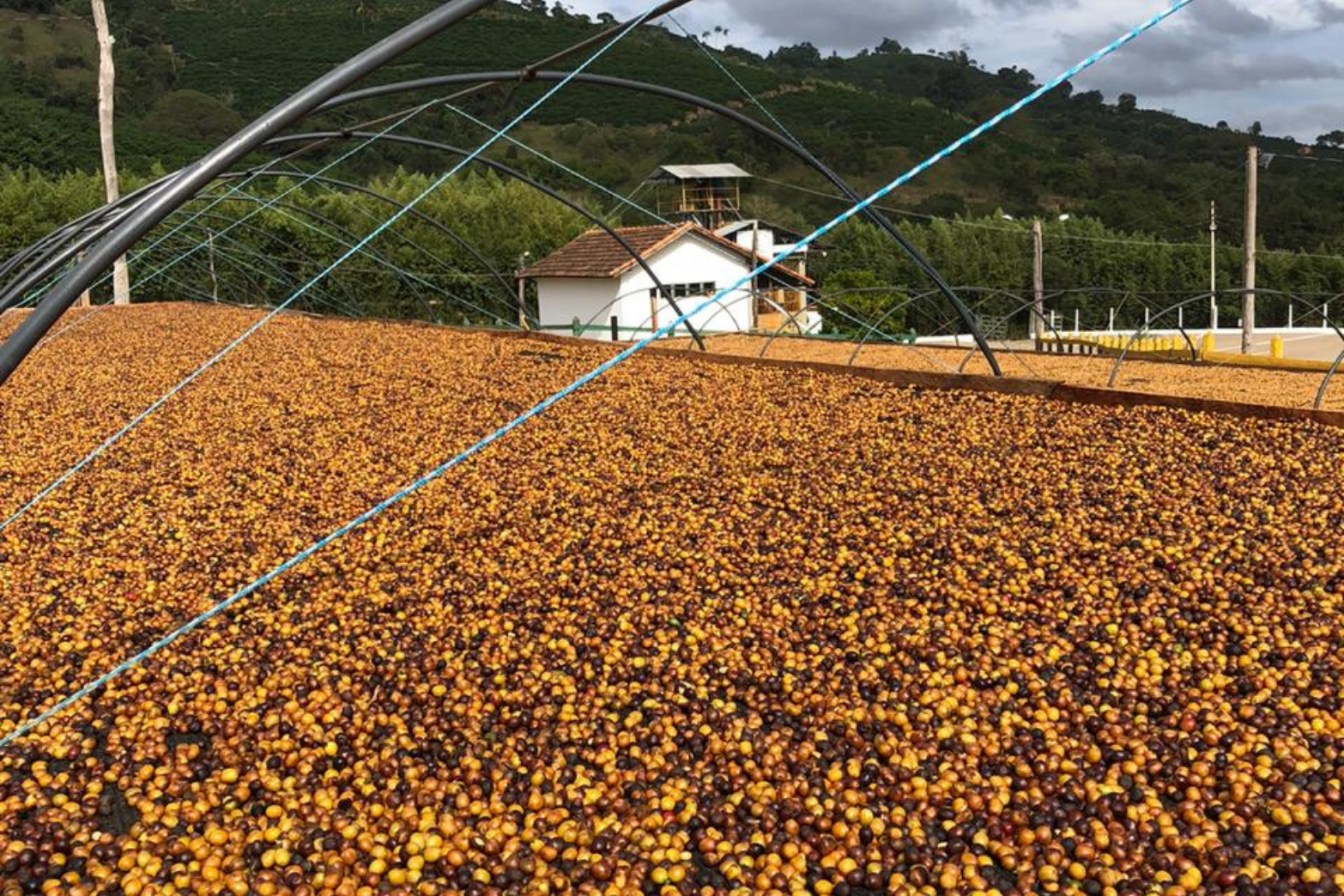
This season comes down to one word: timing. June's rain slowed picking, drying, and processing everywhere it mattered, and the harvest fell behind early. Right through July and August it ran about a week behind last year - not a crisis, but real. Drier weather in August finally let picking speed up.
Here's the part that hits delivery schedules. Picking is only the start. After that, the green coffee still has to dry, rest, and get prepared before it can ship. So the green coffee that's ready to buy is running even further behind than the harvest itself. A record-sized green coffee harvest that lands late still feels like a tight market for a while - and that's the odd spot roasters, and a green coffee importer like Attesa Coffee, are stuck with right now: plenty of green coffee on the way, just not much of it ready yet.
Green coffee quality: a closer look
There's good news and a few cautions on green coffee quality this year, and both are worth knowing before you commit.
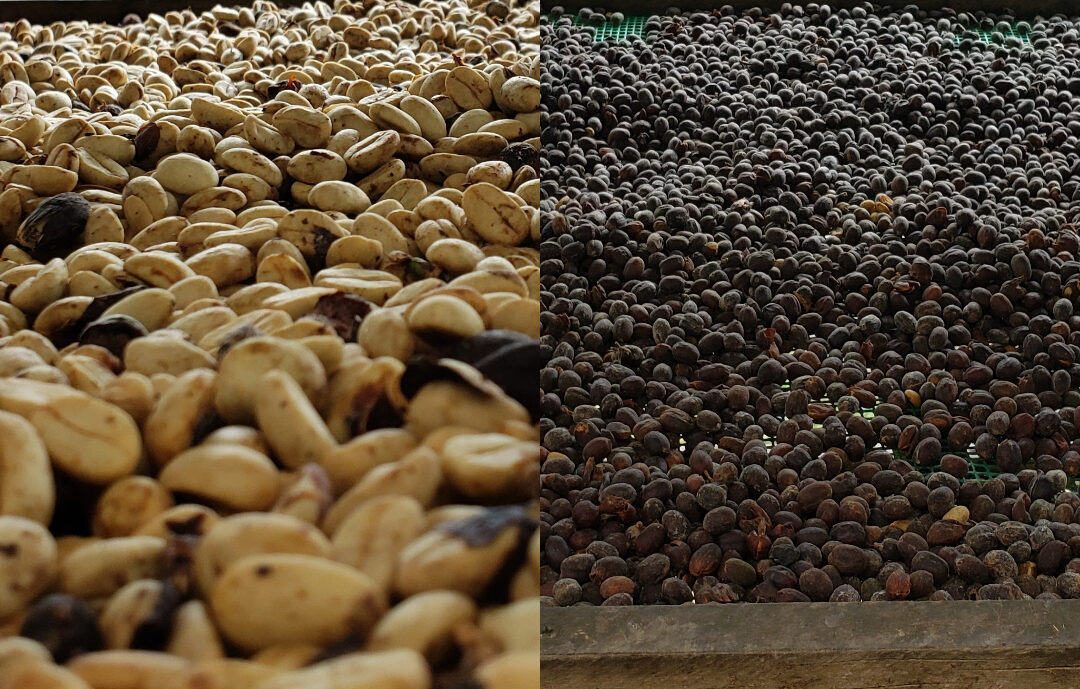
The overall signs are strong. Field reports point to even ripening across many regions and larger-than-average bean sizes, both good for how this green coffee will cup. But the rain-hit zones in the arabica belt did turn out some green coffee lots with real quality problems. Early fruit drop and wet, uneven drying are exactly the things that pull a cup score down, and there have been reports of Brazilian coffee being turned back at grading. The good news: producers with solid drying setups came through fine. It was mostly the ones caught out by the weather who struggled.
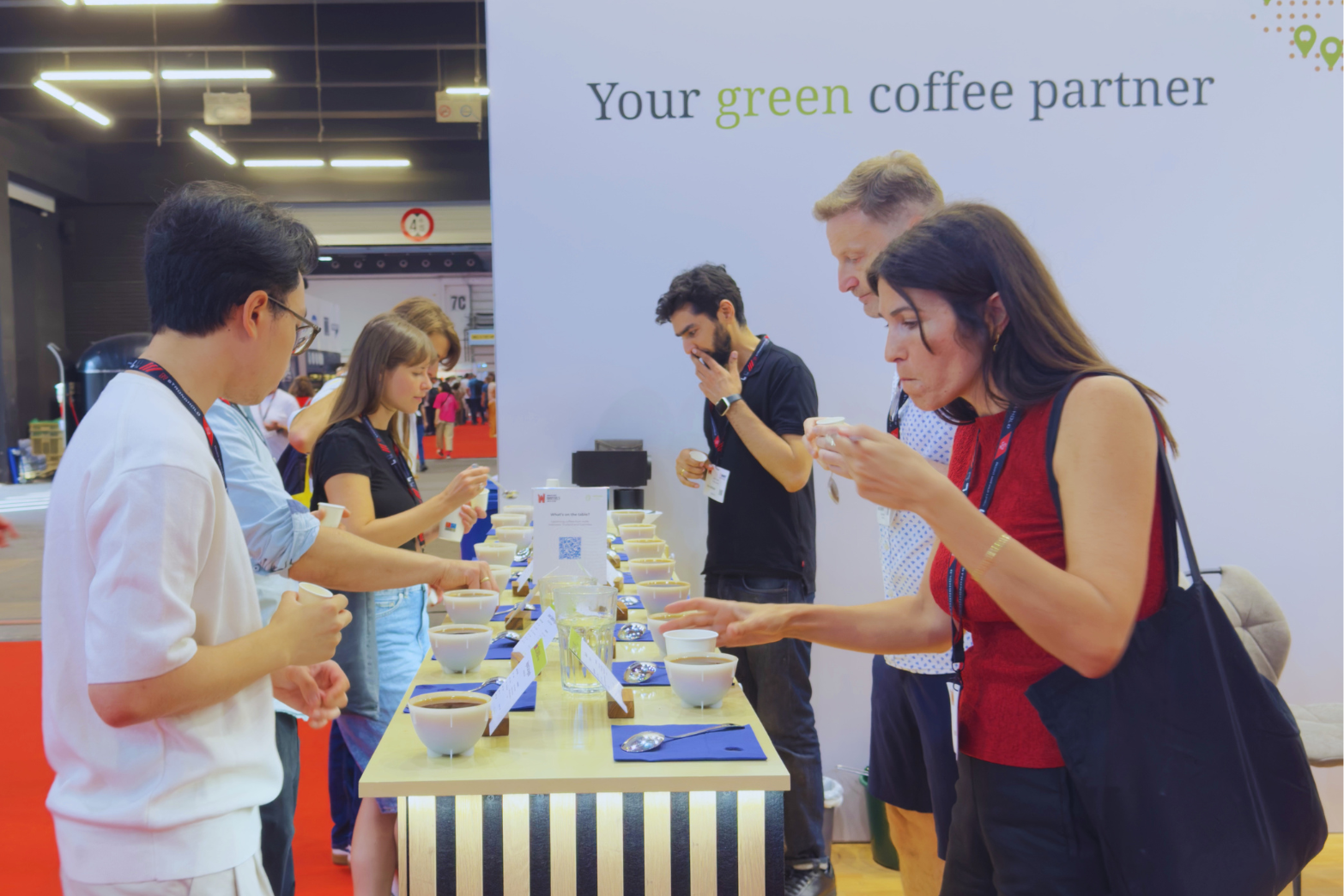
The bottom line: this is a year to cup carefully, not buy on reputation. The weak lots are out there, but so is some excellent green coffee, and the gap between the two is wider than usual. Sample approval matters more this season than most - which is exactly where a hands-on green coffee importer earns its keep - and putting together a strong set of green coffee lots comes down to taking the time to choose well.
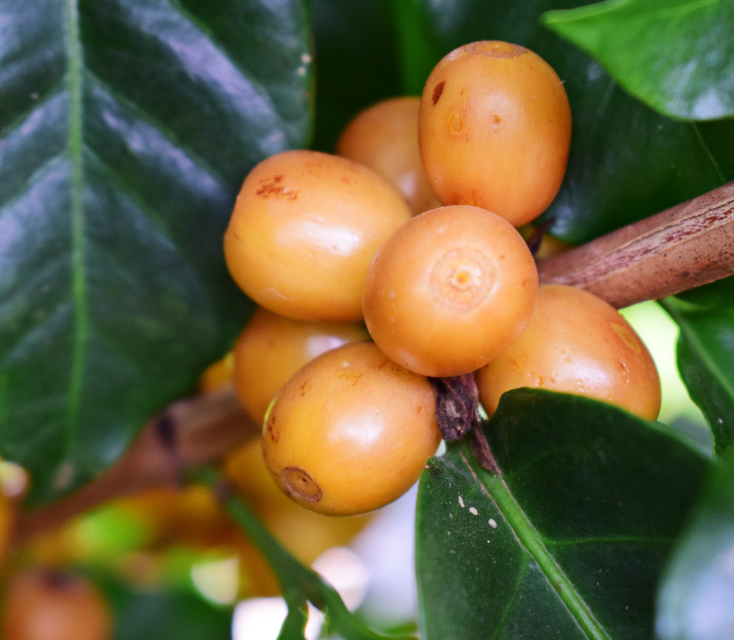
The clearest bright spot is exports. Shipments picked up as the harvest moved along, with July volumes comfortably ahead of last year and early August higher still. Over the full season, Brazil should export a lot more green coffee than a year ago, most of it going out through the Port of Santos.
The delays aren't only on the farm, though. At Santos, container shortages and congestion are slowing shipments further, and with harvesting already behind in some areas, some green coffee is reaching the market later than expected. The green coffee pipeline is filling - just on a delayed timeline.
The El Niño question
Looking further ahead, forecasters are watching the possibility of a strong El Niño later in 2026. For now, the main concern is next year’s harvest rather than the one currently being picked.
The 2027/28 harvest is already starting to take shape, with flowering underway across Brazil. The timing varies by region, though. Robusta and conilon areas such as Espírito Santo, Bahia, and Rondônia flower earlier and are already well into the process. Reports from Espírito Santo show more than half of the plants in bloom and looking healthy. Arabica regions in Minas Gerais and São Paulo will flower later, although some unseasonal rain has triggered early flowering in a few areas.
The key period will be the rainfall that follows the arabica flowering, as this plays an important role in determining how much of the 2027/28 crop sets. This is also where El Niño could bring warmer temperatures and more uneven rainfall. So far, there haven't been any major concerns, and recent rains have actually supported flowering. It's still too early to know how things will develop, but it's something worth watching for anyone planning green coffee volumes for 2027.
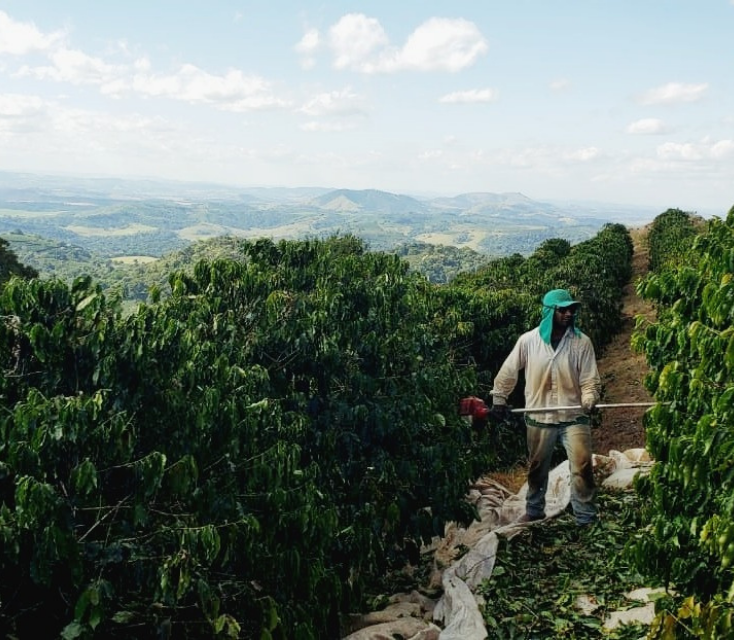
A record harvest would normally push green coffee prices down. This year it mostly hasn't, and that's what buyers feel most.
On the surface, everything points lower. It's not just Brazil - global production is heading for a record too, and the world's green coffee stocks are slowly building back up after a couple of very tight years. Going by those numbers, prices should be easing.
But this year the numbers and the reality didn't line up. The Brazilian green coffee harvest ran late, and the green coffee sitting in exchange warehouses is near its lowest in years, so there just hasn't been much ready to ship right away. Prices spiked in early July, settled, then climbed back to multi-month highs in August every time the slow harvest came back into view. Producers added to it too - plenty are comfortable and in no hurry to sell, so they've held back.
The rest of 2026 depends on how fast that backlog clears. As the late green coffee finishes drying and moves through the ports, more should reach the market over the closing months, so expect pressure to ease gradually rather than drop all at once. The near-term green coffee market is likely to stay firm and a bit jumpy until that supply is clearly flowing.
Relief is coming, and the market shows it: green coffee prices for delivery further out, into 2027, are much calmer than the near-term ones, a sign of all the supply still to land. So the pressure should let up as the record crop finishes arriving. For now, though, "record harvest" and "cheap coffee" aren't the same thing - least of all for the higher-quality green coffee lots, which have stayed the tightest and most keenly priced part of the market.
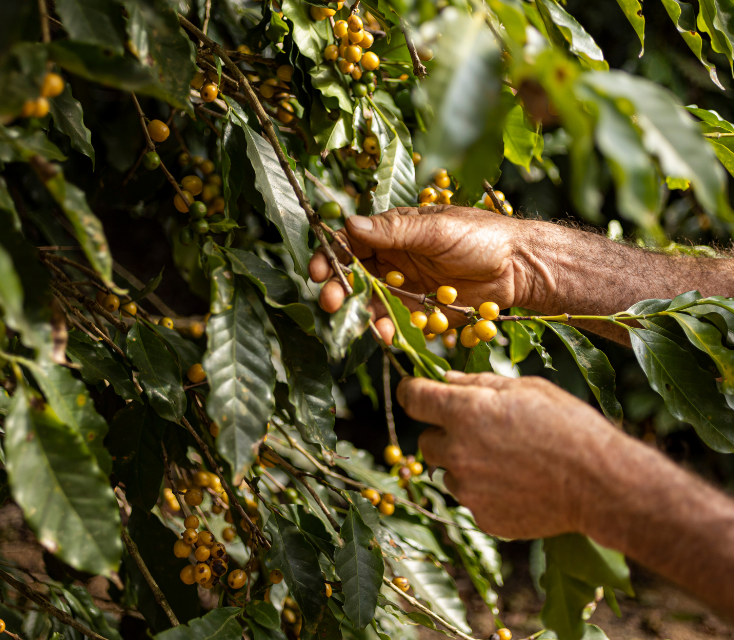
No spin here: this is a year that rewards planning and doesn't forgive assumptions.
The upside is real. There's plenty of green coffee on the way, more lots to pick from, and welcome relief after the tight supply of recent years. What to keep an eye on comes down to timing, cost, and selection:
- Timing: expect some green coffee arrivals a little later than usual, so don't lean too hard on last year's shipping windows.
- Cost: budget for firmer prices on premium green coffee lots in the near term, even though the global surplus points to softer prices later on.
- Selection: with quality more variable than usual, sample approval is invaluable this year - a careful green coffee importer will cup every lot before committing.
Building in a bit of extra lead time, locking in the specific green coffee lots that matter early, and staying close for shipment updates all pay off. It's the everyday work of a green coffee importer that plans ahead.
In a market rushing to ship, our name - Attesa - is a reminder: the best coffee waits.
Every harvest tells a story, and this year's is about patience and judgment. The rain made Brazil work for its record green coffee harvest, and the result is a mixed bag: some excellent green coffee, some lots that struggled, and a market that's still not easy on the budget.
Attesa means "the wait" - and this season, the wait stopped being our philosophy and became everyone's reality. But there's a difference between waiting because you're stuck and waiting because you know what's coming. As a green coffee importer that stays close to origin, Attesa Coffee works alongside producers and cups every green coffee lot as the harvest moves forward so we can point you to the Brazilian green coffee that came through beautifully, be honest about the ones that didn't, and give our people and partners a clear read on what's ready, what's late, and what's worth waiting for.
At Attesa Coffee, We stay close to origin, to our suppliers, to our logistics partners and pass on what we learn honestly, whenever it matters.
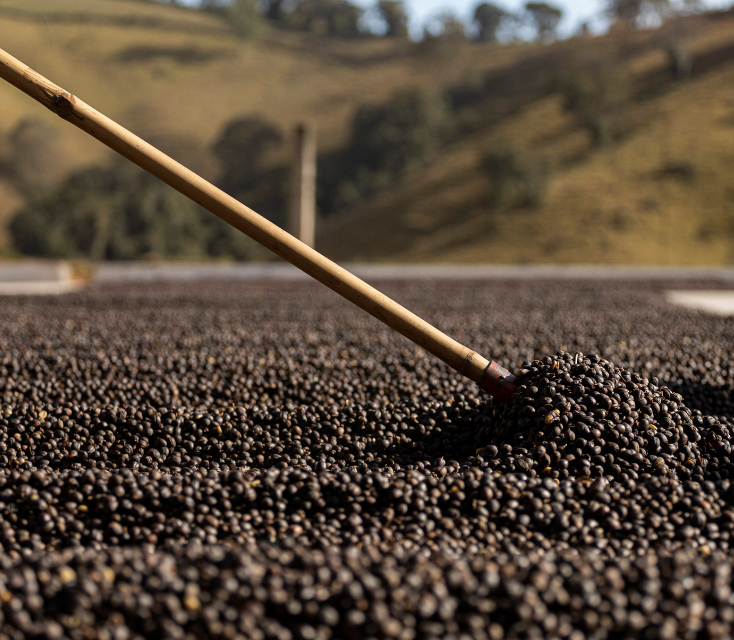
The new lot is landing and we're cupping our way through it. These are Brazilian green coffees we've tasted and stand behind.
Spot - arriving Sept - Oct, Warsaw, PL Warehouse
☕ Fine Cup 17/18 Cerrado - Blend, Natural
Dark chocolate, hazelnut, and citrus. A clean, larger-screen commercial base with real depth for the price.
☕ Fine Cup 14/16 Cerrado - Blend, Natural
Chocolate, dried fruits, and peanuts. Straightforward, dependable, and built for blends.
☕ Fine Cup 17/18 Santos - Blend, Natural
Chocolate, hazelnut, and a good body. A classic Santos profile for everyday roasting.
☕ Fine Cup 14/16 Santos - Blend, Natural
Roasted almond, chocolate, and dried plum. An easy, affordable workhorse for high-volume blends.
Pre-order - 2026, arriving November in our Warsaw, PL Warehouse
☕ Fazenda Carmo Estate - Catuaí, Natural
Red apple and dried fig with caramel candy and a brownie-ish finish. Our most characterful natural this round.
☕ Fazenda Monte Alto - Catuaí, Natural
Red grape and dried plum over milk chocolate, mellow and soft. A dependable specialty single origin.
☕ Donas do Café - Blend, Natural
Red plum, raisin, and vanilla with a buttery body and a maple-syrup finish. Smooth and crowd-pleasing.
☕ Fazenda Pinhal - Icatu, Natural
Dark fruits, raisin, and toffee with a creamy mouthfeel and sugarcane sweetness.
☕ Sítio Maranhão - Catucaí, Natural
Caramel, raisin, and brown sugar, creamy and easy. A natural blend base or gentle filter.
☕ Docin de Leite - Blend, Natural
Dried fruits, waffle, and prune with a buttery body and milk-chocolate finish. Comfort in a cup.
☕ Casa Blend - Blend, Natural
Dried banana, toffee, and milk chocolate with a heavy mouthfeel and sugarcane aftertaste. A solid, low-cost commercial base.
Explore Brazil Origin →
Planning your Brazilian green coffee lineup for Q4 2026 or 2027?
Stay in the Loop: The freshest arrivals and the most interesting lots tend to go quickly. Join our newsletter for early word on new harvests, fresh arrivals, and exclusive offers - everything you need to plan ahead, straight to your inbox. Subscribe Now!
With arrivals running late and prices firming, there's never been a better year to plan ahead with Attesa Coffee - your green coffee partner, where origin, quality, and trust come together.
Reach us at - hello@attesa.co